

The security of prisons and their confinement is dependent on the locks. steelcell These often overlooked procedures are vital to the security of correctional facilities around the world. Prison locks are fascinating, even though their main purpose is straightforward.
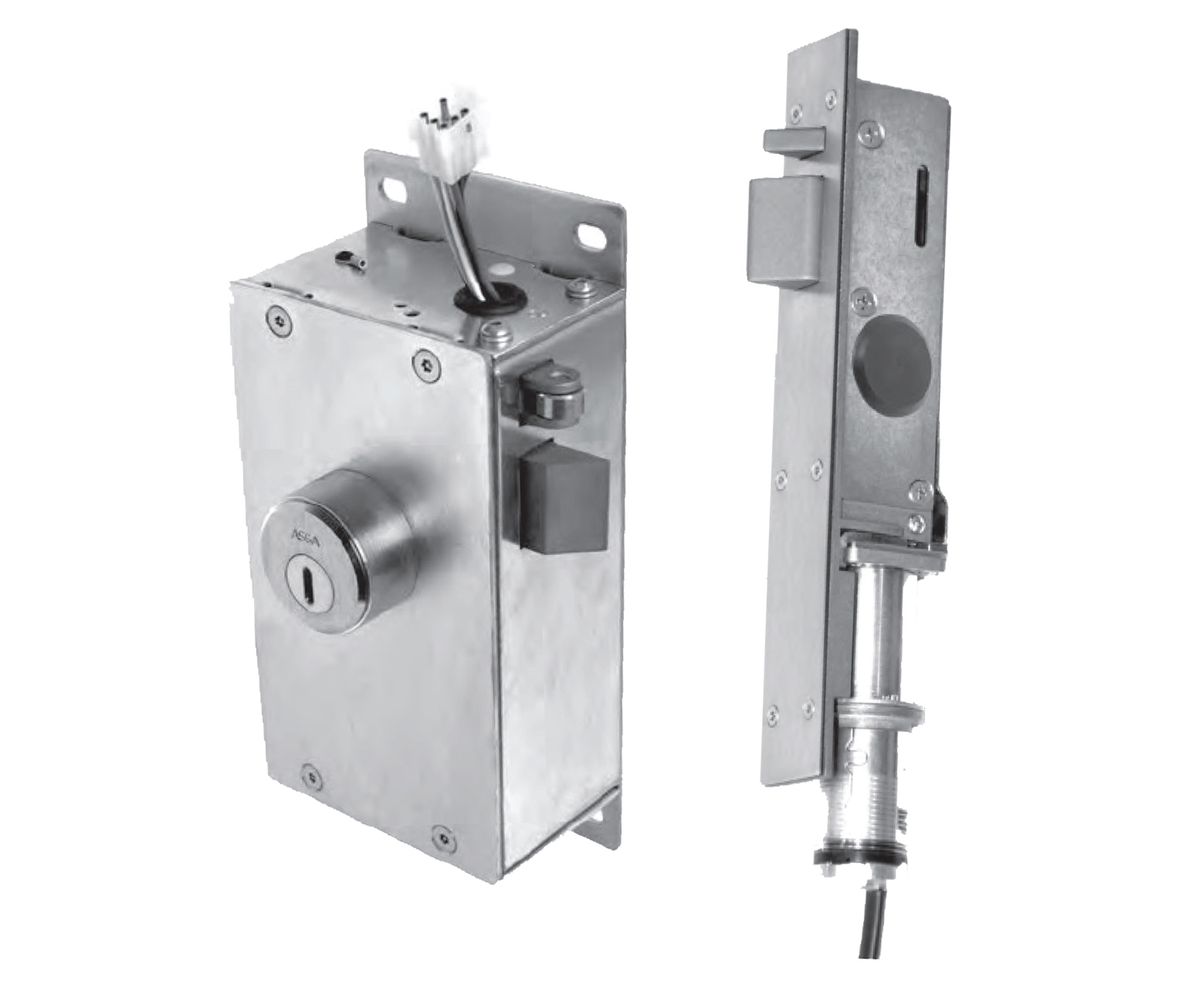
Meaning of Prison Locks
Prison locks protect imprisonment. They are primarily used to secure prison gates, cells and other entry points in order to prevent escapes. These locks protect the public and prisoners by keeping them separate from the outside.
Types of Prison Locks
Prison locks are developed for specialized uses. Explore some popular varieties:
Cells are protected by prison cell locks. The designs are tamper-resistant, preventing inmates from disabling or modifying them.
Gate Locks: These locks are used to secure the facility's entrances and exits. They also control access.
Deadbolt locks offer security. They often work with other locks, making them difficult to break.
Due to the technology, modern correctional facilities are increasingly using electronic locks. Remote control simplifies access point management for personnel.
High-security locks can withstand great force and tampering. They are used in many prisons, especially those located in high-risk areas.
Innovative Prison Locks
The technology of prison locks has evolved to meet the needs of correctional facilities. Some of the most important innovations include:
Biometric Locks: Fingerprint or retinal scans add protection to these locks.
Remote Lock Management: Remotely controlling and monitoring electronic locks speeds up security response.
Keyless entry systems are becoming more prevalent, decreasing the danger of lost or stolen keys.
Integration with Security Systems Modern prison locks are compatible with the security systems of a facility, enhancing safety.
Increased Durability: High security locks can now withstand physical assaults and environmental variables. This extends their lifespan.
Prison Lock Maintenance Issues
Security breaches in prisons can be deadly. Correctional facilities face several issues:
Wear and tear: To prevent vandalism, and to ensure constant use, prison locks should be inspected and maintained periodically.
Security Breaches: Inmates may try to disable locks, therefore use tamper-resistant designs.
Many correctional facilities cannot afford to upgrade their lock technology.
Prison locks are unsung heroes who keep order, safety, and security in prisons. These mechanisms, from the basic cell locks to the most advanced electronic systems, have evolved to meet the changing needs of the correctional system. Prison security can be a challenge, even though these locks are essential. The constant evolution of these locks and their improvement shows the efforts made to protect both convicts as well as society.
Prison locks guard confinement silently amid the ever-changing world of prison security. They represent a system that detains, rehabilitates, and protects. The future of prison locks will be shaped by technological advancements and a commitment to safety and justness. These simple yet sophisticated locks demonstrate the persistent commitment to inmate and societal well-being, reminding us that security and humanism can coexist in the most difficult settings.